Vacuum-Truck Waste Bed
Engineered receiving and dewatering for septage and vacuum truck waste.
The Problem It Solves
Federal regulations for hydro-excavation waste are tightening, and municipalities need compliant, dedicated receiving facilities for vacuum truck waste. Dumping septage, portable toilet waste, and hydro-excavation spoils directly into the headworks creates shock loading, odor issues, and potential treatment upsets. The Vacuum-Truck Waste Bed provides a simple, purpose-built receiving and dewatering solution.
How It Works
- 1
Truck Discharges
Vacuum truck drives up and discharges waste directly into the Wedgewater™ media bed.
- 2
Rapid Separation
Stainless steel wedgewire trench screens rapidly separate water from solids.
- 3
Liquid Drains
Separated liquid drains to the plant headworks at a controlled rate, preventing shock loading.
- 4
Solids Dewater
Retained solids dewater in the bed. A decant screen eliminates supernatant, enabling multiple truck loads per day.
- 5
Periodic Removal
Dewatered solids are periodically removed with a front-end loader.
Key Benefits
- Rapid dewatering of sand, soil, gravel, and organic waste
- Multiple truck discharges per day
- Simple, durable concrete and stainless steel construction
- No moving parts
- Easy dump-and-exit design for truck operators
Applications
- Municipal WWTP septage receiving
- Portable toilet waste receiving
- Hydro-excavation spoils dewatering
- Grease trap waste receiving
Regulatory Context
Septage receiving and disposal falls under the 40 CFR Part 503 biosolids framework. Municipalities operating a septage receiving facility must meet specific requirements for handling, treatment, and disposal. A purpose-built receiving bed like the Vacuum-Truck Waste Bed helps facilities meet these requirements with a simple, documented process.
Read more: Understanding 40 CFR Part 503 (coming soon in our blog)
Frequently Asked Questions
Why do municipalities need dedicated vacuum truck receiving?
How many truck loads can the bed handle per day?
What types of waste can the bed receive?
Related Products
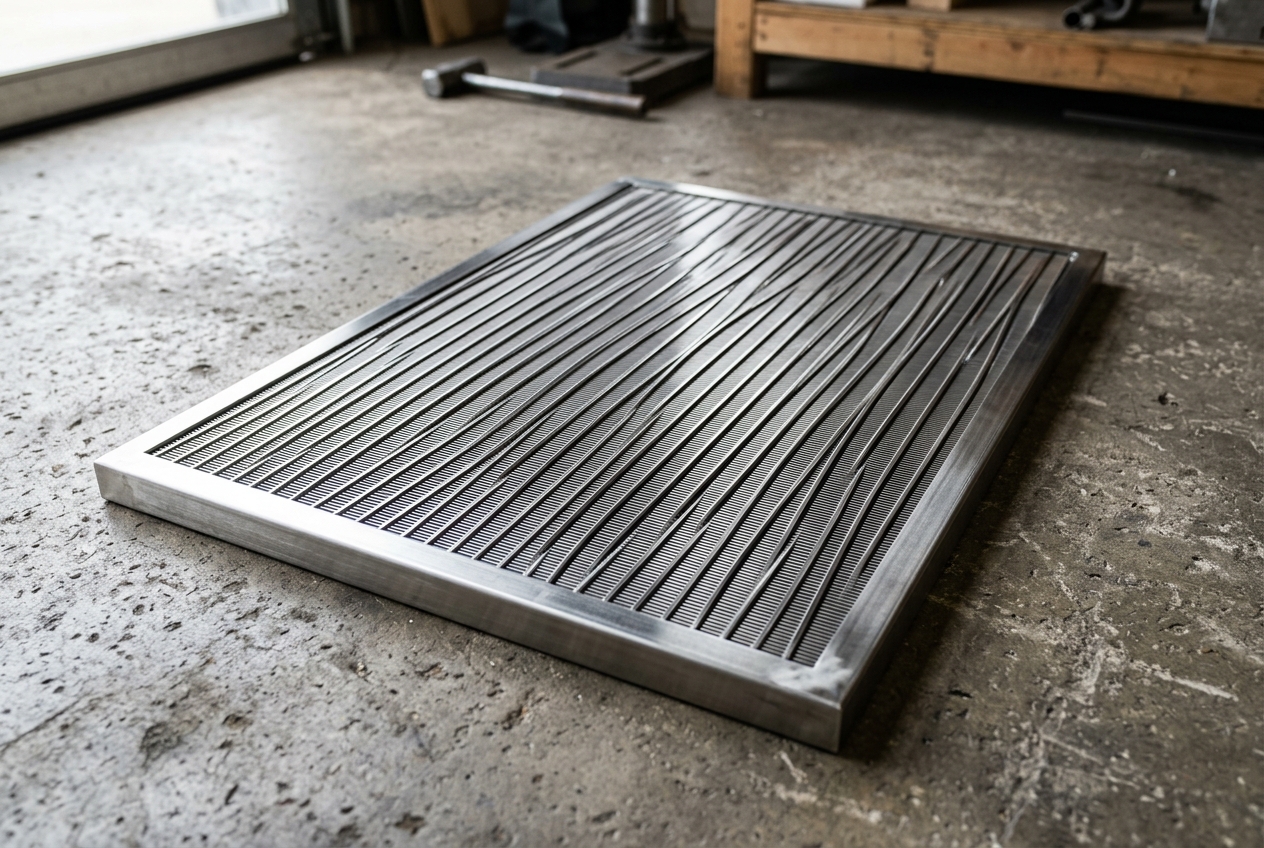
Wedgewater™ Sieve
Stainless steel wedgewire screening and separation system with custom slot widths for headworks solids removal, pre-screening, and lagoon outlet applications.
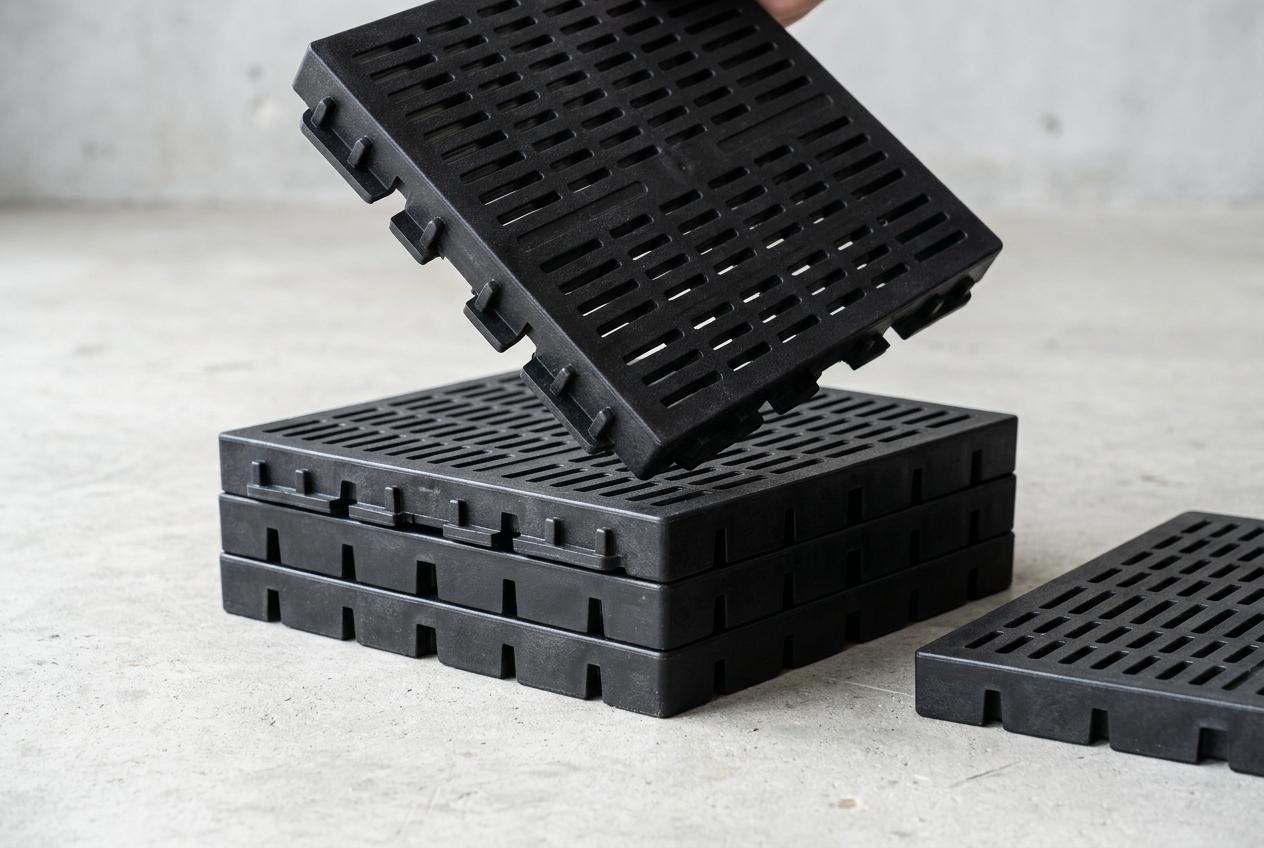
Wedgewater™ Polyurethane Filter Media
High-strength 12″ × 12″ interlocking polyurethane media tiles for gravity sludge dewatering. Non-clogging, corrosion-resistant, and requires only a fraction of sand bed space.